CONTENTS
 Trump versus Biden
 A most interesting inauguration
 An aggressive Trump pushes his personal agenda forward
 Trump’s foreign policy
 Some surprising domestic developments
 Then while on the campaign trail at Butler, Pennsylvania, on July the 13th, a young man attempted to take down Trump with his AK-16 high-powered rifle. Trump was wounded (grazed ear), a man behind him was killed, and the assassin killed.


At the Republican National Convention the next week, Trump showed up … triumphant. And he announced his Vice Presidential choice, Ohio Senator JD Vance.
 Then as the campaign season moved forward … and statistics made it very clear how far Biden was behind Trump in the polls, Biden submitted to pressure coming from his party to drop out. The Democrats were very aware of the growing concern about his age – and his seemingly dwindling intellectual capacity. And in dropping out, this left the Democratic Party presidential candidacy to his Vice President Kamala Harris.
 On Tuesday September 10th, Trump debated his new opponent Kamala Harris.
 It became immediately clear that this was never intended to be a discussion about where the candidates stood on key policy issues. It was designed to have Harris poke Trump until he “lost it.” With the help of the ABC hosts and the way they posed the questions to Trump – and with Harris’s teasing of Trump – he finally reacted … and she seemingly succeeded quite handily!
But none of that impressed greatly the American voters, who returned Trump to the presidency with a rather significant majority – Trump winning 49.9 percent of the national vote to Harris’s 48.4 percent … although more importantly, he won 312 electoral votes to Harris’s 226 votes – and thus the presidency.
It became immediately clear that this was never intended to be a discussion about where the candidates stood on key policy issues. It was designed to have Harris poke Trump until he “lost it.” With the help of the ABC hosts and the way they posed the questions to Trump – and with Harris’s teasing of Trump – he finally reacted … and she seemingly succeeded quite handily!
But none of that impressed greatly the American voters, who returned Trump to the presidency with a rather significant majority – Trump winning 49.9 percent of the national vote to Harris’s 48.4 percent … although more importantly, he won 312 electoral votes to Harris’s 226 votes – and thus the presidency.
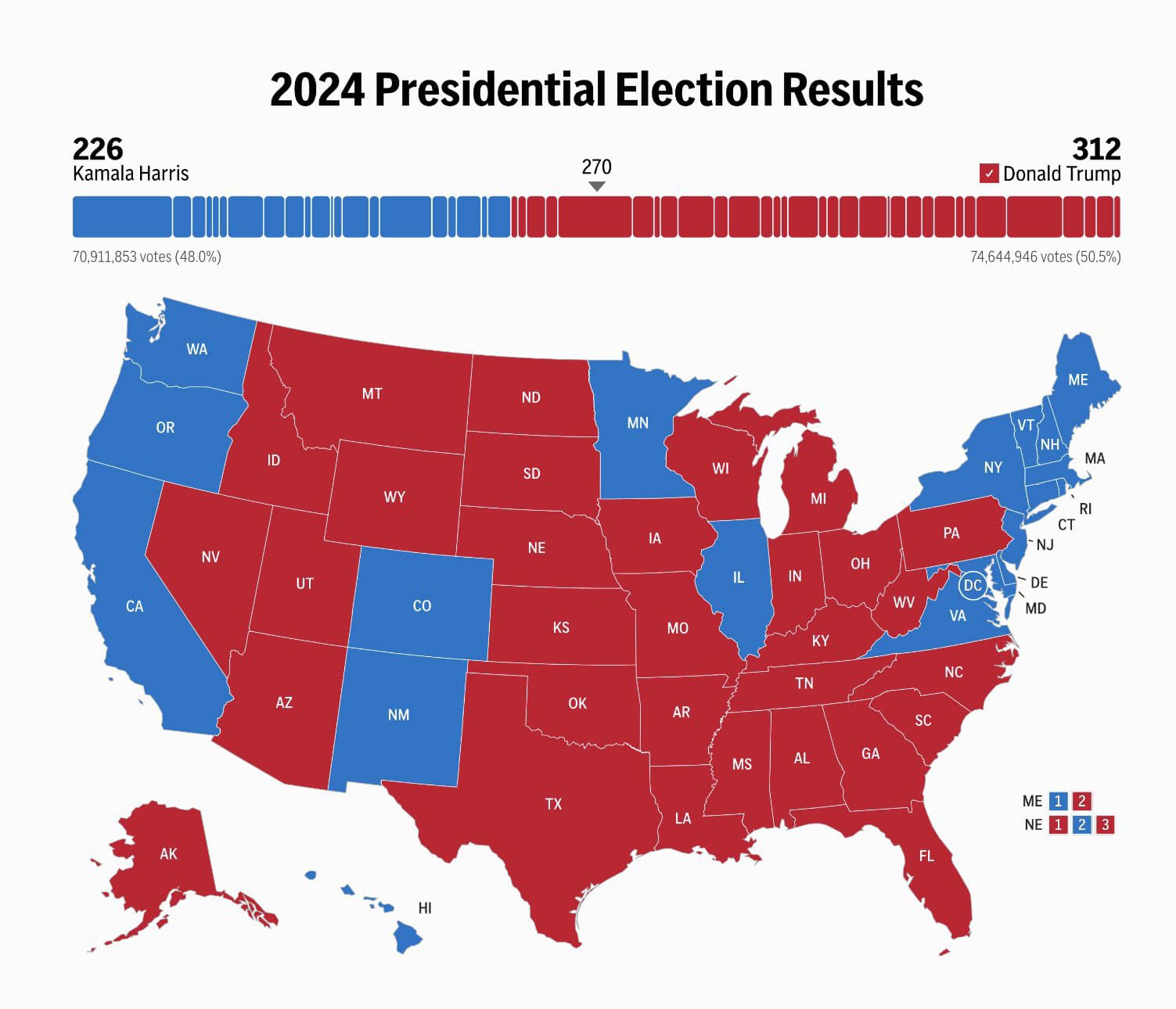 Also, in the Senate, the Republicans picked up 4 more seats, making the Senate now a 53-Republican to 45-Democrat political body. But in the House, the Republicans actually lost 2 seats, reducing the Republican majority now to a 220-Republican versus 215-Democrat position there. But still, it meant that the Republicans controlled both the White House and Congress.
Meanwhile … attempts to bring Trump down continue
On three different fronts efforts were still underway to bring criminal charges against Trump. Georgia election interference. There was the Georgia case undertaken by Fulton County District Attorney Fani Willis over Trump’s challenging the 2020 elections in Georgia. But revelations that Willis was having a sexual affair with Nathan Wade, the lawyer she hired to handle the Trump Case, and that she had started action against Trump even before she came to office, undercut her case greatly. The Stormy Daniels case. Then there was the 2018 case involving 34 counts of fraud brought by New York District Attorney Alvin Bragg, based on Trump’s payments in 2016 (during his presidential run that year) to porn star Stormy Daniels as a coverup to an affair they had back in 2006 … something that could be considered to be an effort to influence the election – by law a serious crime (not the payoff itself but its connection to the election). It began in April of 2018, after the story of their affair (and payments) hit the press, when the FBI took up the case. Then that August, Trump’s attorney Cohen pleaded guilty to 8 charges against himself for his involvement in the payments. And in 2019 New York district attorney Alvin Bragg and a congressional investigation committee began to look into the matter. In March of 2023 a Manhattan grand jury indicted Trump on these various election violations. And in May of 2024 he was convicted on all counts … making Trump a felon – right in the heat of Trump’s presidential contest against Biden. Ultimately, on January 10th of 2025, just prior to Trump’s inauguration, New York Supreme Court justice Juan Merchan finally gave Trump an “unconditional discharge,” upholding the charges against Trump, but issuing no jail time, no fine, nor any probation in response to these charges. That’s politics folks … just like with “Chappaquiddick Ted” Kennedy. When you reach a certain level of power or social importance, the law just really doesn’t apply to you. The Jack Smith investigation. In November of 2022, just days after Trump announced his intentions to run again for the U.S. presidency, U.S. Attorney General Merrick Garland appointed Jack Smith as a special counsel, to look into two matters involving Trump: the January 6 (2021) assault on the Capitol Building and Trump’s mishandling of classified documents. Then while the Smith investigation was underway, in June of 2023 a grand jury in the federal district of Southern Florida brought 37 felony counts against Trump based on his mishandling of classified documents, plus obstruction of justice in his refusal to answer the court’s summons. And that same August, a D.C. grand jury brought charges against him based on the January 6 Capitol attack … although in July of 2024 the D.C. case was ultimately dismissed by the district judge. Then that November Smith announced he was dropping all charges against Trump … although in early January of 2025, just prior to his inauguration, Smith submitted his report to Garland … with the January 6 portion being made public. But the mishandling of documents part was not – because that issue was part of the ongoing criminal case in Florida (involving also two other co-defendants). And so it was that Trump took office on January 20, 2025.A MOST INTERESTING INAUGURATION
Actually, some degree of political reconnection among America’s presidents, past and present occurred just before Trump’s second inauguration. That happened with the funeral of Jimmy Carter (January 9, 2025), who had just died (at the age of 100!). Sitting together rather amicably were former political opponents.


On the day of the inauguration (always January 20th) the weather turned out to be bitter cold – as the weather forecast had predicted – and thus the inauguration ceremony was held at noon on the 20th inside the Capital Building, in the Rotunda … with Supreme Court Chief Justice John Roberts conducting the swearing in. Biden and his wife and Harris and her husband were there, sitting quietly while Trump blasted the Democratic Party for its governance during the previous four years. Also attending were Obama (his wife not joining him, however), and Clinton and Bush, Jr. and their wives. Cabinet appointees naturally were there. But so were some key tech execs, Facebook/Meta’s Mark Zuckerberg, Amazon’s Jeff Bezos, Google’s Sundar Pichai, and Tesla and X’s Elon Musk – although Musk was there on the basis also of his cabinet appointment as head of DOGE (Dept. of Government Efficiency).
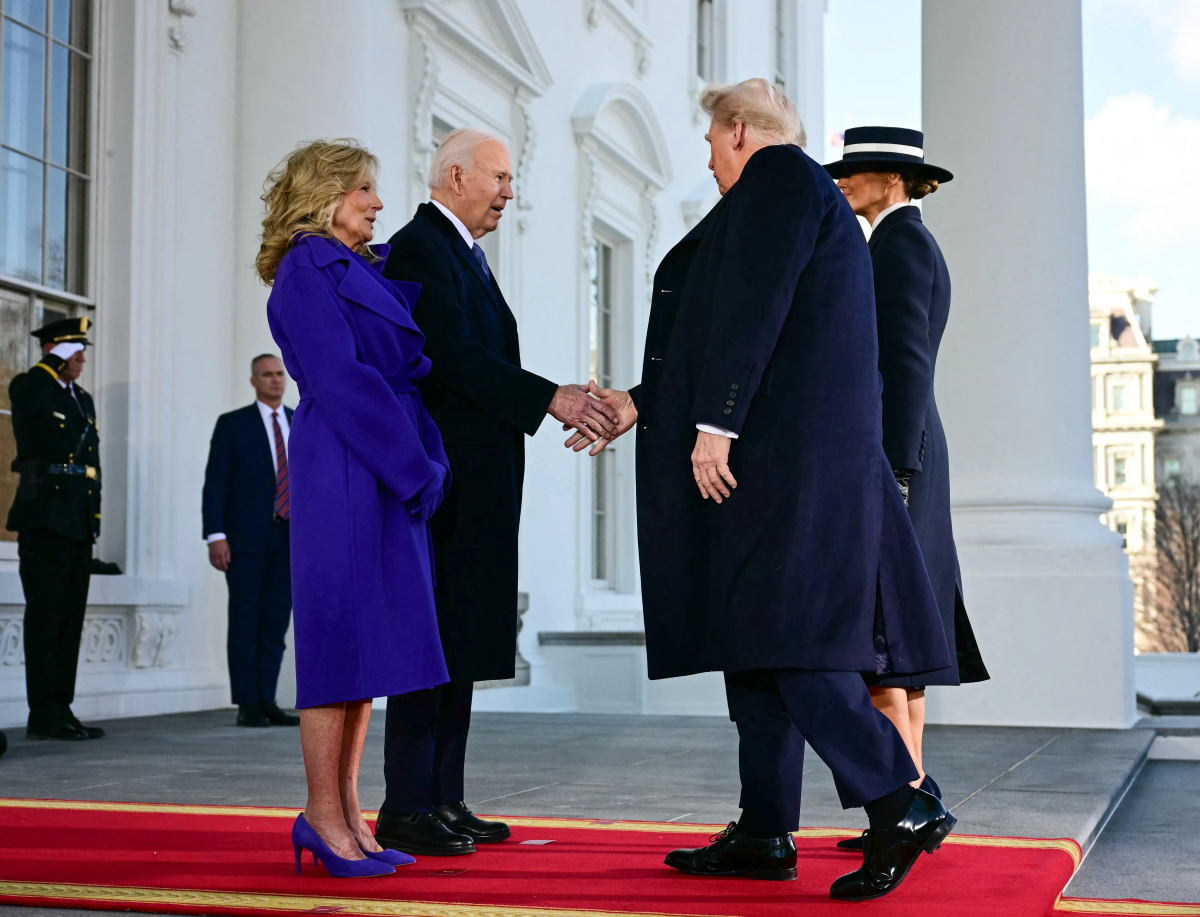
Biden graciously greets Trump at the White House to get the day started … something that Trump had refused to do when Biden followed Trump in office in 2021

Trump being sworn in by Supreme Court Chief Justice John Roberts

Trump being sworn in using his own and the Lincoln Bibles

Also attending are tech giants Mark Zuckerberg, Jeff Bezos, Sandar Pichai, and Elon Musk … actually seated behind Trump on the inaugural platform (while others, such as Ron DeSantis and some cabinet appointees, had to sit in the adjoining overflow room (the Rotunda seats only 600 people).

Of course!
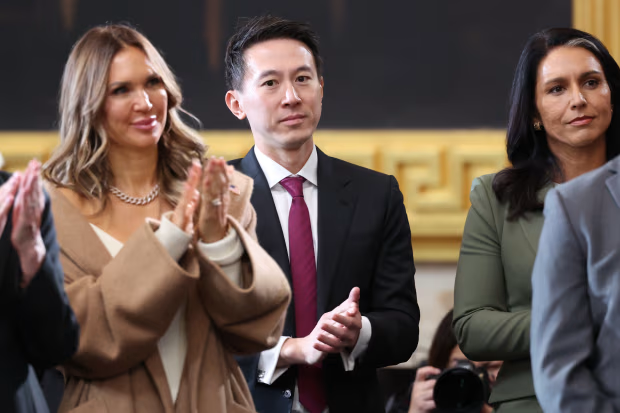
TikTok’s Shou Zi Chew was seated in the Rotunda next to Tulsi Gabbard, Trump’s new Director of National Intelligence

But note, also attending, and seated closely together, were Italian Premier Giorgia Meloni, Argentine President Javier Milei, and China’s Vice-President Han Zheng!
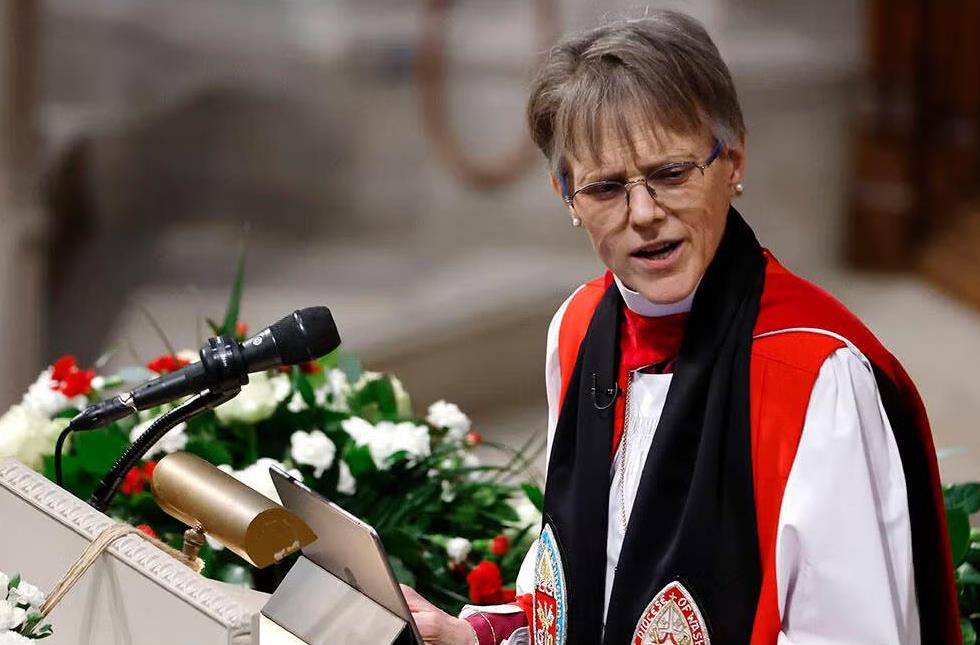
Then – just to make sure that Trump understands things correctly – at the traditional post-inaugural worship service held at the D.C. National Cathedral, Episcopal Bishop Mariann Budde”bravely” (as the Liberal press termed the speech) opposed Trump before the assembled gathering on his proposed policies on immigration and sexuality … calling on him to “have mercy” on illegal immigrants and LGBTQ individuals whose lives are imperiled.
Trump’s team
The key players on Trump’s team are largely D.C. “outsiders” … or at least politicians with an anti-DC-bureaucracy attitude. It will be interesting to see how long they stay in their slots, because in Trump’s first presidency, staff did not usually stay on long, resigning or being fired in fairly short order.
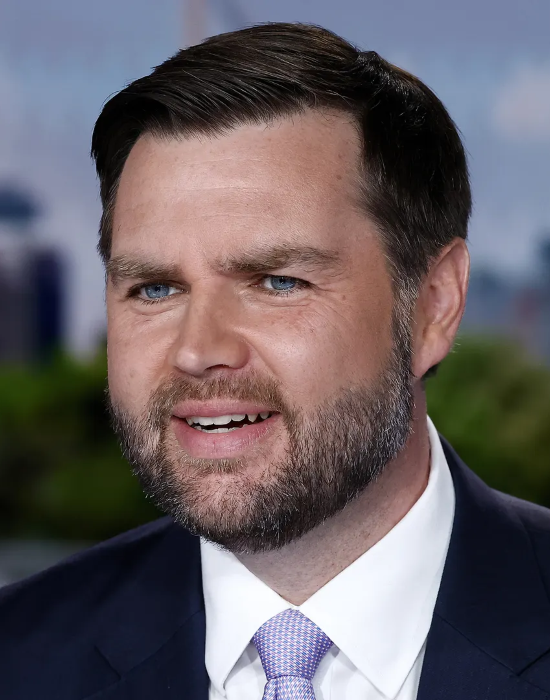 JD Vance is America’s youngest vice president (only 40 years old as of his election), serving as US Senator from Ohio only since 2023. Prior to that he served four years as a U.S. Marine, graduated from both Ohio State University and at Yale Law School, and then worked as an attorney … but also a writer, his 2016 best-selling book (and 2020 movie) Hillbilly Elegy describing the tough childhood that shaped him.
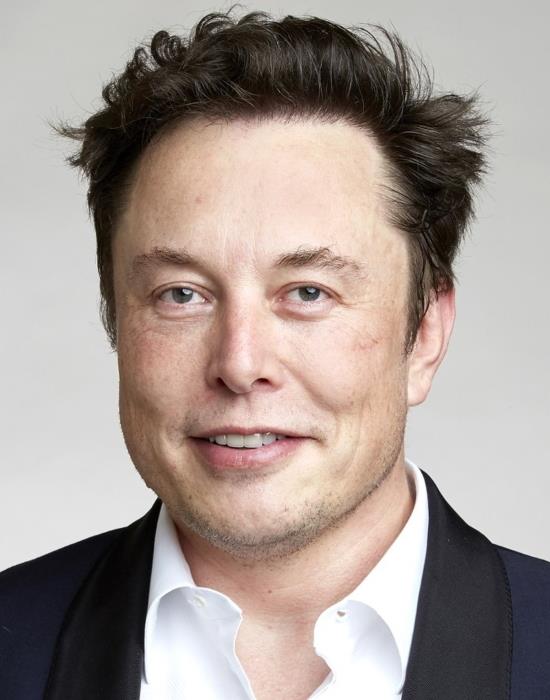 Elon Musk, Trump’s choice to head up the Department of Government Efficiency (DOGE), was South-African-born to wealth, who became an American citizen in 2002, by way of Canada (his mom was Canadian and thus so was he) … thus a truly international figure – as well as the world’s wealthiest individual.
At a very early age, while still in grad school in California, he and his brother founded a software company, sold it for just over $300 million, beginning his climb in the tech world. In 2002, at age 31, he acquired both PayPal and SpaceX. Two years later he invested in Tesla electric-vehicle manufacture, and two years after that (2006) a solar energy company, which eventually became Tesla Energy Company (2016). In 2105 he founded OpenAI, stepping him into the world of artificial intelligence. But he ran into trouble in 2018 with the U.S. Securities and Exchange Commission which sued Musk for the way he acquired Tesla … forcing him to pay a substantial fine and step down as Tesla chairman. But not being one to quit, in 2022 he acquired Twitter and merged it with his X Corp, and thus coming to command the social media’s now very-popular X. And in 2023 he stepped up his interest in artificial intelligence in founding xAI.
As the Trump campaign geared up, Musk contributed over $200 million to Trump super-PACs, was with Trump at Mar-a-Logo on election night … and agreed to take the position as head of DOGE … determined to help balance the federal budget by cutting back the size of the federal bureaucracy.
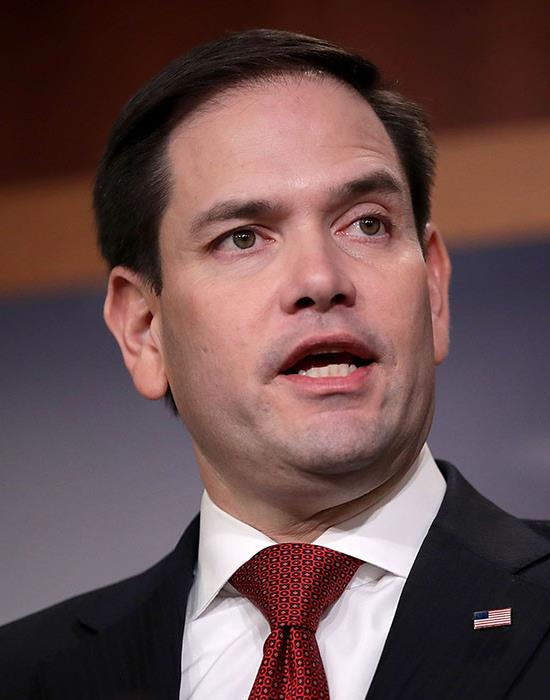
Marco Rubio, as Trump’s Secretary of State, and serving also currently as National Security Advisor came out of a Florida-Cuban background, serving Florida’s House of Representatives as Miami representative (2000-2008) and its speaker (2006-2008), then (because of term limits) teaching at Florida International University, until he was elected U.S. senator representing Florida in 2010. Then he ran for U.S. president in 2015, but dropped out in 2016 after losing to Trump in the Republican nomination race … though he would then move on to support Trump strongly. In the Senate he continued as a leading voice, especially in American relations with Latin America … and in his strong opposition to China in the international game.
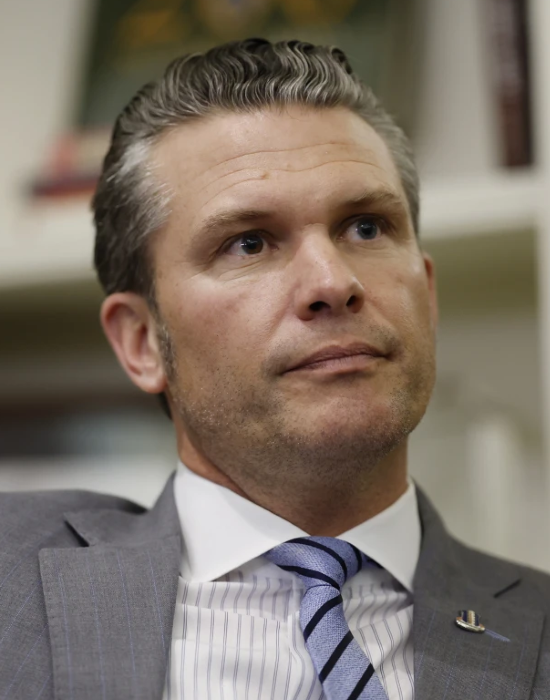 Pete Hegseth, as Trump’s Secretary of Defense, was another most unusual appointment, Hegseth having no experience in government work, and having entered the public domain along a very controversial path … particularly the way he apparently mismanaged funds for a Veterans charity organization. But he is well-educated (Princeton), a very experienced soldier on the battlefield (Iraq and Afghanistan) who simply worked his way up the ranks to major – the latter not something typical of a Secretary of Defense – and he claims to have undergone a deep spiritual transformation as a Christian back in 2018, one that changed his life profoundly. He entered the world of politics in 2014, running unsuccessfully for the Minnesota seat in the U.S. Senate, but was able to bring notice to himself with the beginning of his service that year as a Fox commentator. And he became a Trump adviser during Trump’s 2016 campaign. And as a Fox commentator, he became well-known for his very conservative views on America’s foreign policy and its political readiness to stand in a very competitive world.
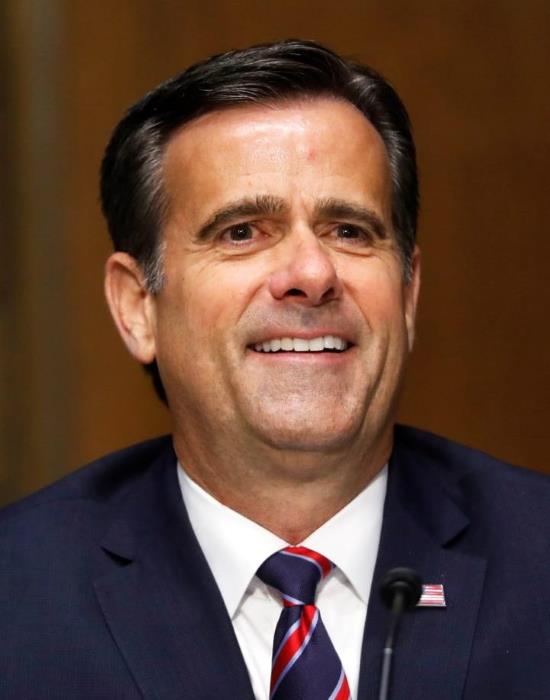 John Ratcliffe, as director of the CIA, grew up in the Midwest, became a lawyer and eventually (2004) joined the U.S. Attorney’s office for the Eastern District of Texas, also becoming a mayor of a small town outside of Dallas that same year. He returned to private practice in 2008, but held his mayoral job until 2012. In 2014 he succeeded in replacing long-serving Texas Republican Ralph Hall in Congress – his district reliably conservative … along with Ratcliffe. His conservatism got Trump’s attention, who in 2020 got him to take the position as Director of National Intelligence – a position he held until the end of the first Trump presidency. He faced much criticism going into the job, that Ratcliff’s conservatism would “politicize” the intelligence world … something Ratcliff claimed he would not do. But it was a strange accusation … because everything that happens in DC is political! Anyway, Trump asked him to head up the CIA.
 Kash Patel was named by Trump to take over the FBI from (Trump-appointed) Christopher Wray, who took office in 2017 and who was thus entitled by law to a 10-year position, but who decided to step down at the end of the Biden Administration in January of 2025 (disagreeing with Trump on some matters). For a young man of only 44, Patel already had a huge amount of experience as a lawyer working in the DC bureaucracy, serving as assistants to the secretaries of state and defense and as deputy director of national intelligence during Trump’s first presidential round, as well as Republican counsel or aide to congressional committees … in particular, the one looking into the case of the Russian interference in the 2016 national election. But most importantly, he was/is a true Trump loyalist, defending Trump in the media – and in his own publication against the conspiratorial “Deep State” … and in an organization he helped direct, Trump Media & Technology Group, one that supported Trump during Trump’s years out of office.
Trump’s love of being surrounded by men of great wealth
In an indirect way, the Trump “team” included a number of very wealthy supporters … privileged to sit immediately behind Trump during his second inauguration. And their wealth was not just huge, it was mind-bogglingly enormous … at a time when most Americans were falling way behind in their ability to find enough income to keep up with the nation’s runaway inflation rate.
We have already mentioned Elon Musk … and his (initial) place of importance in this small but highly privileged “team of wealth.”
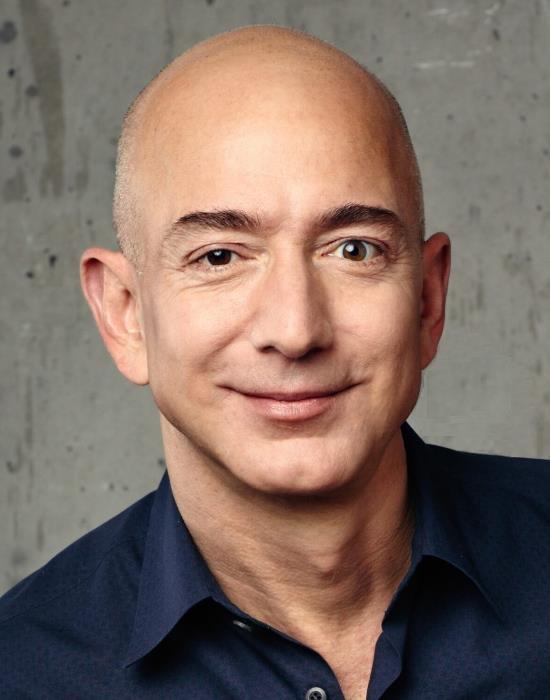 Then there was Jeff Bezos, of Amazon and Blue Origin. He is the second wealthiest individual in the world, based primarily on his development of Amazon and – the world’s biggest e-commerce and cloud computing operation … which in 1994 at age 30 he founded in a rented garage! – (quitting his job on Wall Street as a successful hedge fund mathematician in order to do so). Amazon had its beginning as an on-line bookstore – which Bezos, beginning in 1998, extended its marketing operations to include other items – until today it is the largest online sales company … Amazon now (since 2002) directing internet services in other fields as well. From this realm he ventured into the aerospace world, founding Blue Origin in 2000, offering manufacture and spaceflight services in anticipation of the aerospace industry becoming a growing part of the future world. He actually took a flight into space himself in 2015 and again in 2021 to experience this realm personally! He also jumped into the media world, purchasing The Washington Post in 2013. In 2012 he stepped down as operational head of Amazon, to focus his work in his other fields, namely aerospace, news media, and artificial intelligence. Meanwhile, as a Liberal, a big supporter of same-sex marriages and open borders, Bezos was long a Democratic Party supporter. Trump, however, in 2016 tried, but failed, to enlist him as a technological supporter. But in purchasing The Washington Post, he blocked it from endorsing either Trump or Harris (it was intending to endorse Harris). And then he donated $1 million to Trump’s inaugural fund. He went on to offer Trump high praise on his 2024 electoral victory … and was invited to sit among Trump’s special guests at his inauguration.

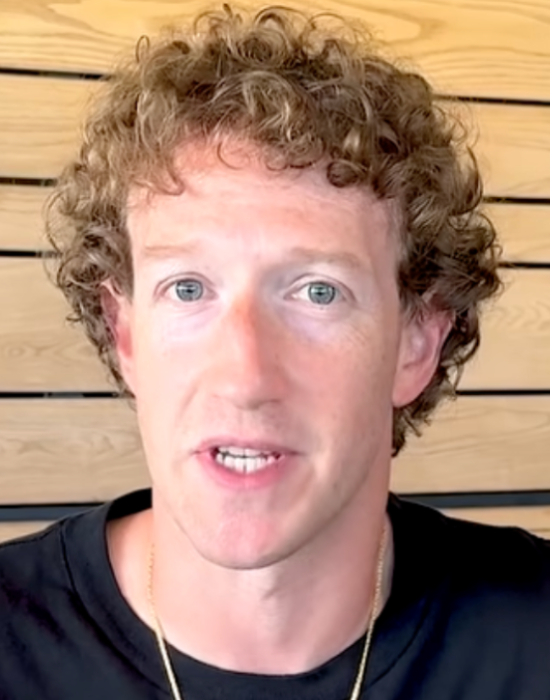 Mark Zuckerberg, founder and executive of Facebook and its parent company Meta, and traditionally quite Liberal in social matters, recently warmed up to Trump by donating $1 million to Trump’s inaugural fund and co-hosting a reception celebrating the inauguration.
He was attending Harvard when, in February of 2004, he and classmates launched Facebook .. resulting in legal contests among these cofounders as Zuckerberg took the initiative to expand Facebook’s operations and reach quickly and considerably. Equally quickly, even as of only 23 (in 2008), Zuckerberg was a billionaire from the venture … and in 2010 of movie fame, with the very popular Academy-Award winning film, The Social Network, narrating (not entirely favorably) his startup of the famous website. In 2012 he took the company public. Ultimately, Facebook was intended not just for an American community but for the world … Zuckerberg building the Facebook community globally … Russia and China becoming big users. In 2103 he set up internet.org, offering service to countries without such service – but had the operation cut back in 2016 when complaints (heavily from India) that internet.org was more self-promotion of Facebook than true neutral internet service. Also most interestingly, in 2010 Zuckerberg signed The Giving Pledge with Bill Gates and Warren Buffett, promising to donate at least half of their wealth to charity (something that other super-wealthy individuals have also signed onto). He and his wife were quick to follow through on the agreement, donating to various education and research groups – and setting up their own such operations.

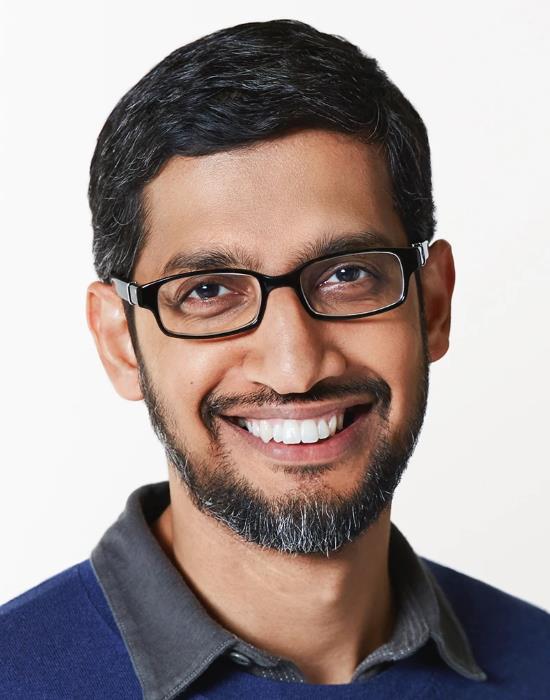 India-born Sundar Pichai is CEO of Google and its holding company Alphabet Inc. After graduating from the Indian Institute of Technology in 1993, he earned master’s degrees from both Stanford (1995 in science and engineering) and Wharton (2002 in business admin). After working as a management consultant at McKinsey & Co., in 2004 he joined Google to engage in product development … including most importantly, the search engine, Google Chrome (2008). Over time he also developed Google Drive, Gmail, Google Maps, and Chromebooks. In 2013 he also headed up the Android smartphone division. In 2014 Microsoft wanted him to head up their company. But in 2015, Google (actually its parent company Alphabet Inc., incorporated that same year) responded by making him Google’s CEO … with a huge salary. And in 2019 he was also selected to be Alphabet Inc.’s CEO. As Google’s head, he found himself facing sharp criticism for Google’s place in China (involving government censorship, of course) … and for Google’s possible political bias – Pichai answering that the Google search engine does not operate according to any particular political perspective.
 Shou Zi Chew is the CEO of TikTok … a very popular online user-submitted video platform (surpassing even Google in downloads by 2021) … founded in 2016 and owned by the Chinese company ByteDance – although, through the purchase of a local internet platform operating there, actually based in both Singapore and Los Angeles.
Chew was Singapore-born and raised, served in the Singapore military, until he went off to study at London’s University College – graduating in 2006 in the field of economics. He stayed on in London in the world of investment, working for the Russian firm DST Global, and investing in Alibaba and Xiaomi … and in 2013 leading a group to invest in ByteDance. By 2015 he was Xiaomi’s chief financial officer and in 2019 its foreign business president. Then in 2021 he joined ByteDance as its chief financial officer … and ByteDance’s subsidiary TikTok as its CEO.
But the Chinese connections of the popular TikTok raised fears in the U.S. Congress of the platform becoming a tool of the Chinese government – or at least posing serious security issues. Thus he appeared before Congress in 2023 to confirm that it posed no such danger. Ultimately Congress and President Biden were not convinced … and voted to have TikTok separated from ByteDance or to be shut down in the U.S. The U.S. Supreme Court also upheld this decision unanimously as the day of closure approached – just one day before Trump’s inauguration.
Yet … despite deep opposition by fellow Republicans, and Trump’s own former opposition to TikTok, Trump now wants to work with TikTok (and China’s President Xi Jinping). Trump wants to find an American buyer of TikTok. But ByteDance refuses to sell off its holdings in TikTok. Meanwhile, Trump has given the company time to work out some kind of sale.
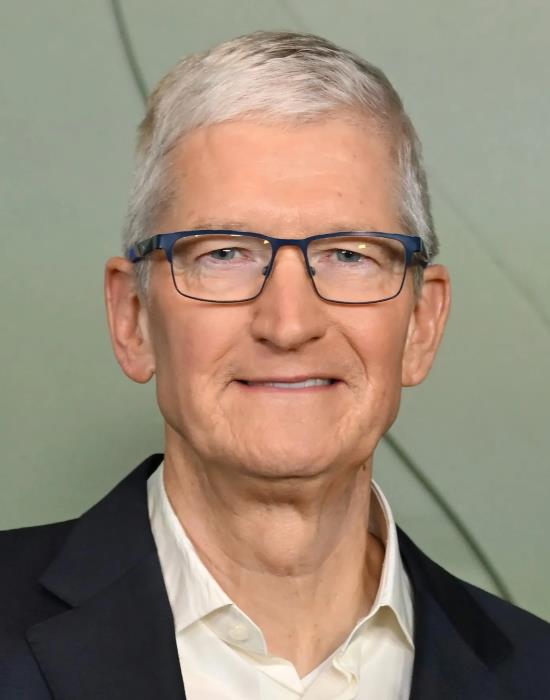 Tim Cook is the current CEO of Apple Although Apple Inc. did not make any contributions to the Trump campaign, Cook donated $1 million on his own to Trump’s inaugural committee, quick to congratulate Trump on his electoral victory … and also visiting Trump at Mar-a-Logo in December.
Cook was brought onto Apple in 1998 by Apple founder Steve Jobs, after Cook had distinguished himself at IBM as director of sales (“fulfillment”). He was brought on to help develop Apple’s international market. Then when in 2011 Jobs resigned and died of cancer, Cook was made Apple’s CEO … continuing Apple’s growth (almost $400 billion in revenue in 2023 and $1.9 trillion in market value as of 2020).
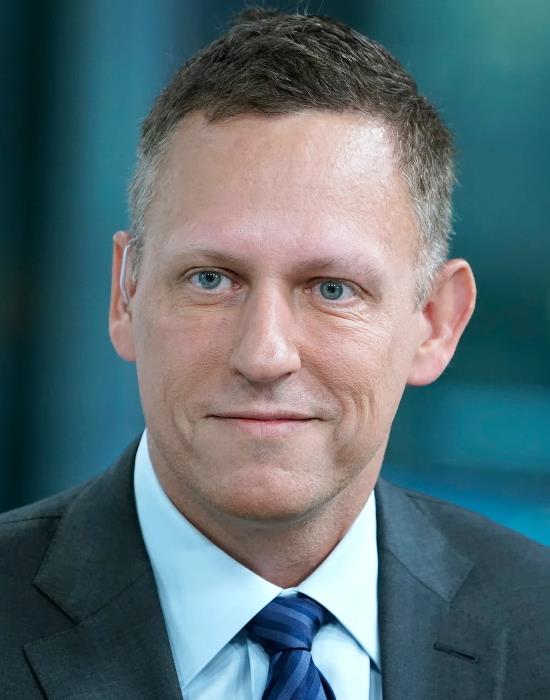 Peter Thiel, CEO of PayPal, is German-born (but growing up around the world with his family), but settling in America, where he went through American middle and high schooling in California at the top of his class – even distinguishing himself at Stanford in becoming co-founder and head of the Stanford Review (1987) then going on to Stanford Law School (1989-1992) … then into the world of law. He took an early interest in venture capital, especially ventures connected with the dot-com boom of the 1990s. By the end of the decade (1999), he had co-founded PayPal as a means of helping people make payments for goods bought online. Then among his many other startups and buy-ins, he helped finance Zuckerberg’s start-up of Facebook (2004) … a huge stockholder himself, serving on their board of directors – all the way up until 2022 when he stepped down in order to support various pro-Trump candidates in the elections of that year. Strongly conservative, he is opposed to the idea of “diversity” rather than demonstrated capability as the criterion for job placements and promotions in the working world … or in any part of the economy for that matter.
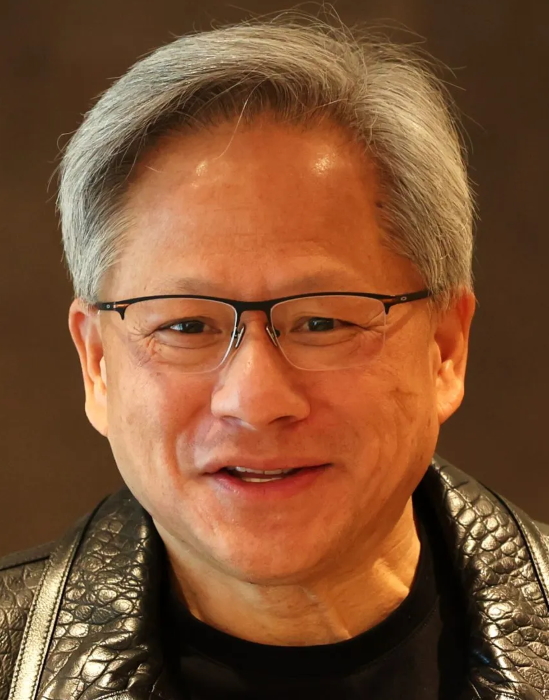 Jen-Hsun (“Jensen”) Huang is co-founder and CEO of Nvidia and now one of the world’s wealthiest individuals. Born in Taiwan, he and his parents moved to Thailand. Then he was sent on to America to live in Kentucky with an uncle. He ultimately attended Oregon State University and upon graduation took on a job at Advanced Micro Devices (AMD) in California, designing microprocessors … while working on a master’s degree at Stanford. He left AMD to work at LSI Logic … but then left that company (1990) with two colleagues to develop their own venture making graphics chips for PC games. This then led to the official creation of Nvidia in1993 … with financial support even from LSI. Over the years, with support from other tech companies (the Japanese company Sega, for instance) the company grew slowly, building their graphics processing unit (GPU) as they went … finally (by 2017) exploding in size and operation with the AI tech boom (Nvidia now being worth $3 trillion).
Although Huang was in Taiwan during Trump’s inauguration, he and Trump met at the end of January to go over America’s AI policies … including how to handle the DeepSeek’s AI operation in America – because, as a Chinese company, it raises all kinds of security questions.

 Sam Altman is CEO of OpenAI, heavily Microsoft supported (owning 49% of the company’s equity), and best known for its ChatGPT – an artificial intelligence chatbot that that can answer questions of almost any nature posed to it by any inquirer. This of course raises all kinds of questions about human intelligence being replace by sophisticated machine intelligence … and by problems of plagiarism and misinformation. Altman attended Stanford, but dropped out after two years (age 19) to co-found Loopt in 2005, a social networking application … founded on $30 million in venture capital he was able to assemble. The company did not do greatly … but he nonetheless took on additional ventures, in 2011 co-founding Y Combinator or “YC” (heading the company in 2014) – a company focused on developing funding for or offering counsel to various startup tech operations (Airbnb, Dropbox, TriNet Zenefits, Reddit, for instance). Then in 2015 he began to work with Elon Musk, Peter Thiel, Microsoft, Amazon and others, in forming the company, OpenAI … which he then headed up as its CEO as of 2019.
Now we can’t say that Altman is part of the Trump “team,” … but he does know that he has to work closely with Trump in order not to have his powerful AI program brought (as it should be) under tight governmental supervision. Too much is at stake for America’s personal liberties (which are already under deep economic suppression) not to be worsened further.
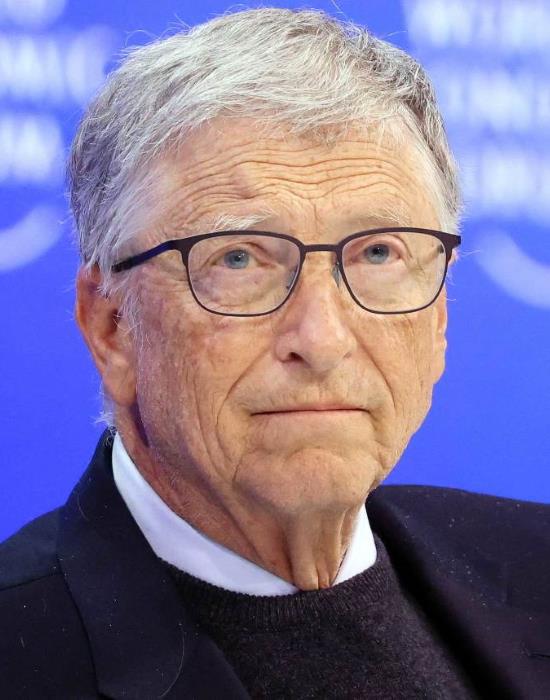 But please note: an interesting non-member of the Trump team is Bill Gates … who having made an enormous fortune as CEO of Microsoft, stepped himself out of the ranks of the 10 richest people in the world by giving away vast amounts of his fortune to various charity organizations. In short, this is a man not likely to be leveraged by Washington power and its enormous self-interests.


AN AGGRESSIVE TRUMP PUSHES HIS PERSONAL AGENDA FORWARD
Trump intended to come on strong during his first 100 days, something like FDR with his New Deal … though things were not pressing the country as hard in 2025 as they were in 1933.

But – just as he promised – Trump (like Biden before him) pushed ahead to sign a huge number of executive orders on inauguration day
Trump seemed more determined than even previously as U.S. president to do things “the Trump way.” Thus he announced that the Gulf of Mexico was to be officially renamed as the Gulf of America.

Google Maps “Gulf of America” … making Trump happy
He also announced that it was time to take over the very strategic country of Greenland (to be taken away from America’s NATO ally Denmark).

Trump announcing at the Davos World Economic Forum (Jan 21, 2026) a future deal for America to acquire Greenland, but reassuring everyone: “I won’t use force to obtain Greenland.”
And he was happy to note that it was time for Canada to acknowledge the necessity of becoming America’s 51st state.
Was he kidding? These were not issues arising from the demands of the American people themselves.
Of course America’s “Trumpians” would quickly fall in line in support of these strange ideas … as was expected of them. But ultimately what was this all about?
America needed to get used to the idea that with Trump in the White House, presidential aides, including cabinet members, were there not to advise Trump wisely, but only to obey Trump … in carrying out whatever his most unusual mind was working on at the moment. Turnover would once again be rapid in the Trump cabinet to those that did not understand the Trump program.
The Department of Government Efficiency (DOGE)
Thus just prior to taking office, Trump announced that his billionaire friend Elon Musk would be supervising a new program designed to make the Federal government more efficient: the Department of Government Efficiency (DOGE). It was designed by Trump to be mostly a temporary operation … supposedly designed to end as of July 4th, 2026. And Musk himself indicated he would be involved only long enough to get the program up and running.
Trump and Musk claimed that there was a mass amount of waste and fraud in the Federal bureaucracy … everything from Social security payments to people no longer alive (Musk claiming the figure to be a big as 20 million individuals!), Medicare and Medicaid sent to people living overseas (supposedly involving as much as $2.7 trillion) … none of which however fairly quickly proved to be anywhere near the scale they claimed. Federal funding for various charity projects were also cancelled.
Trump also assigned Musk the task of reducing the size of the federal bureaucracy, terminating the employment of numerous federal bureaucrats under various terms of dismissal. Trump even wanted the Department of Education simply eliminated. But all government agencies, from the park service to the medical services were to be cut back. His claim was that the federal government had vastly overextended itself and needed to be cut back to a more efficient size, thus reducing the federal debt … and taking powers away from a bureaucracy that should never have been granted it in the first place.
All kinds of questions were raised when DOGE fired some 17 leading inspectors … mostly because they didn’t align themselves with the DOGE agenda in finding what Trump wanted them to find. This was in addition to huge numbers of other federal employees laid off as part of the program (and who, under judicial orders, had to be reinstated … including their salaries they would have earned while being dismissed).
Consequently, claims and counter claims as to how much all of this was actually costing the taxpayer in contrast to how much this was saving them varied widely … Trump claiming that this was saving Americans $205 billion, critics claiming that instead it was costing the taxpayer $135 billion … with the IRS predicting a $500 billion Federal revenue loss because of the program – adding considerably to the growth of the government debt. But mostly, where the “facts” on the matter seemed to come from depended entirely on the political orientation of the data provider. In short … it all was a very confusing mess.
Trump’s “Big Beautiful Bill”
Then in early June, Musk (who at the end of May had just stepped down from his role at DOGE well ahead of his scheduled departure) and Musk parted political company … over the matter of Trump’s new comprehensive “Big Beautiful Bill” – which involved sweeping changes in the federal tax program and in numerous federal operations. This bill called for another $5 trillion increase in the federal debt ceiling. It cut back Medicaid assistance by 12%. And it made immigration policing (see below) one of the most expensive of the federal programs, expanding the budget from $10 billion to $100 billion by 2029.
Critics of the bill pointed out how all this tax realignment simply accelerated the transfer of American wealth from the middle and lower classes to the very rich … a horrible problem as it already was.
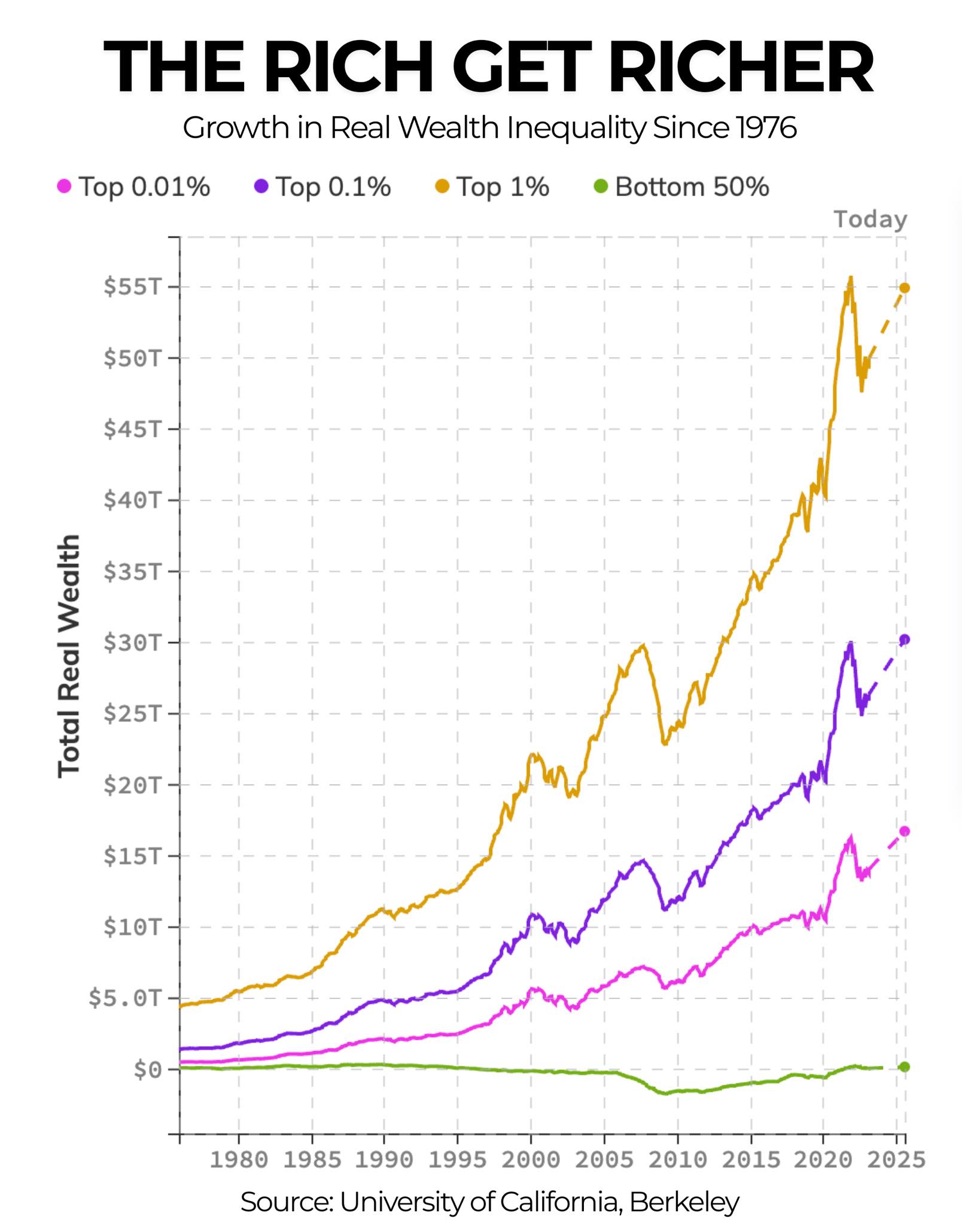

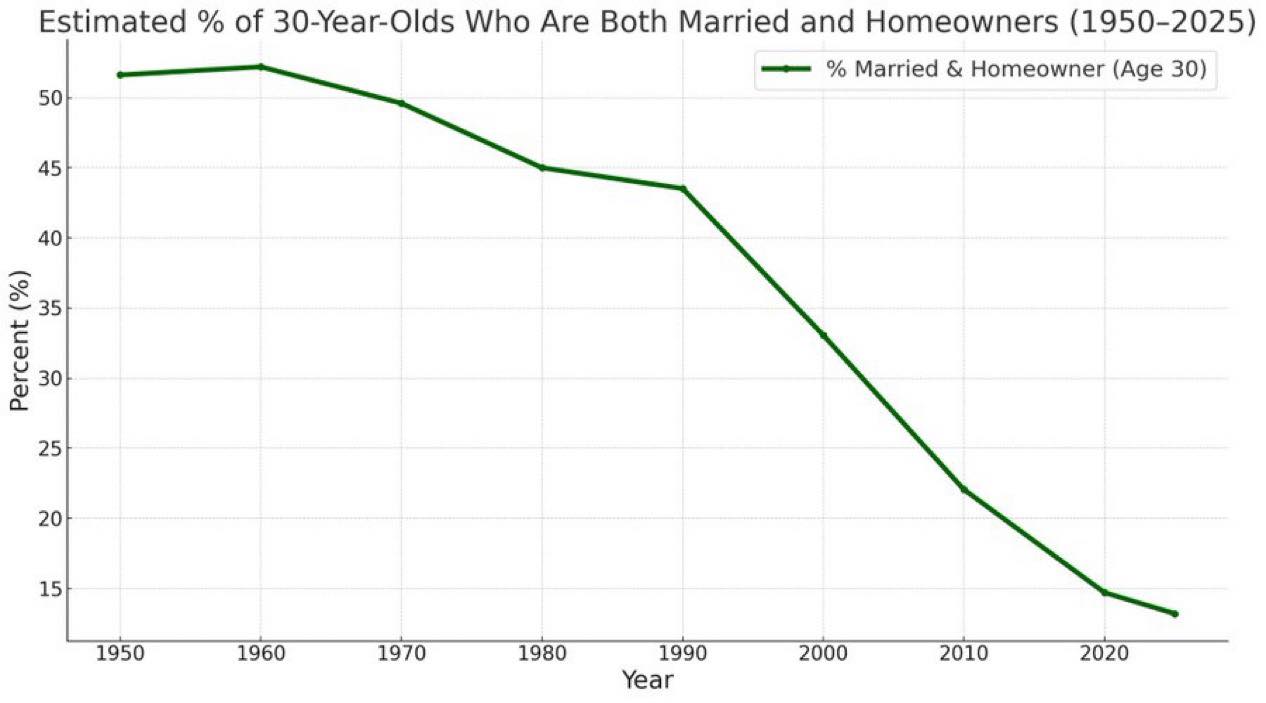


Needless to say … there was not much popularity for the bill to be found among the American citizenry. But they were losing their political voices rapidly. Big money was running the show.
The brutal hand of the ICE agents
And there was his program to stop the flood of America by undocumented immigrants … Trump issuing executive orders requiring the arrest and expulsion by Immigration and Customs Enforcement (ICE) agents of all illegal immigrants. But that particular issue Americans understood quite well, because it had been such a long-standing issue. And Trump’s new orders on the matter did have the rather immediate effect of bringing to something of halt the rush for American borders (although the business of illegal entry by human traffickers across unprotected areas of the border would most likely continue … though probably at a reduced rate).
But it also raised serious questions about the ICE grabs of individuals without any legal hearings on the matter, including individuals long- resident in the country. How was this legal?

ICE agents arresting immigrants at the courthouse in Phoenix Arizona – May 22, 2025

June 11 2025 – ICE agents arresting immigrant workers in Bethlehem, PA … where they had been working to restore an apartment building badly damaged during a fire in May
Thus most unsurprisingly, and very quickly, Trump’s executive orders on this matter found themselves challenged in the media … and in various district courts.

In response to this harsh action against immigrants living in America – and other issues as well – a well-organized anti-Trump “Hands Off!” protest was conducted across the nation on April 5th, involving 150 different organizations, with Indivisible.org and MoveOn.org taking the lead. Millions of people participated in over 1000 locations – in Europe as well as America – protesting Trump’s “anti-Woke” policies … and calling for his impeachment and removal. But most amazingly, the press gave relatively little coverage of the event!
And ultimately this served to undercut his relationship with the generally pro-conservative Supreme Court, which also declared this grab of immigrants to be highly illegal.
Of course, though certainly most fair to those under arrest, holding hearings on every illegal immigrant found in the county (of which there were probably millions) could drag on endlessly … and give truly problematic illegals plenty of opportunity to dig ever-deeper in their criminal activities. So … who was right and who was wrong on this issue? Nonetheless, Trump himself seemed quite determined to simply ignore this “unwanted legal intervention” in this key program of his.
Trump’s tariffs
But his biggest project, a round of tariffs put in place rather immediately against America’s trading partners across the globe, also came as a huge surprise. And they were also shockingly high tariffs … so shockingly high that Trump’s tariff program sent Wall Street into a panicked drop in value.
But supposedly those original tariffs were understood to be entry-level bargaining chips … to muscle other countries into reducing their tariff and other restrictions against American imports. And the stock market began a slow climb back … as indeed, the new round of Trump tariffs did seem to have some bit of a leavening effect on those other countries’ tariffs … and thus Trump could back down a bit on those tariffs he had just put in place (running now at 10%).
However, this did not seem to have a similar effect on China – which seemed unmoved to undo its own consequent doubling of its tariffs on American goods. Also, all of this simply provided China with the opportunity to retreat further from its reliance on its economic relations with America … and develop further its own business world – especially in the high-tech realm.
Then in July of 2026 Trump not only renewed the time-allotted tariffs to be renewed (and be increased a bit) … but imposed a 50% tariff on Canadian goods, claiming that this was in response to Canada’s discrimination against the America auto industry!
Ultimately, all of this Trump presidential initiative and its impact on America remains to be seen as of this writing. Certainly Trump’s tariffs have stirred an equivalent inflation within the American economy. Thus unsurprisingly, America’s opposing parties are digging in for a building fight … at a time that the rest of the world seems more than willing to move on – and become much less reliant on American leadership.
Trump’s back and forth relationship with Ukraine
With Trump in the White House, an immediate reversal of America’s (and its NATO allies) support of Ukraine in its fight to fend off Russian aggression was announced. Trump even blamed Ukrainian President Zelensky for having “started” the war – ignoring the fact that there was no such war until Russian President Putin took it upon himself to invade Ukraine and bomb its capital city Kiev – without warning or any particular provocation coming from Ukraine.
Trump claimed that by ending further support of Ukraine, this would force the combatants to come to peace terms … a strange thing to propose by someone supposedly knowledgeable about how power works on the world stage. In fact all this would do would be to support Putin in his Hitler-like urge to secure his regime by bringing surrounding peoples under his control. That’s what the whole thing was about from the very beginning.
Trump was acting like Chamberlain in 1938 when he let Hitler take over the Sudetenland, with the naive (and costly) belief that by doing so he was bringing peace to the world. Surrendering Ukraine’s ability to defend itself from a massively larger military power bent on muscling its neighbors back under a Russian dependency (that those nations had broken away from at the end of the 1980s) would not only end Ukrainian independence, it would likely then result in a Russian grab of Estonia, Latvia, and Lithuania. And Finland understood that danger of playing into Putin’s hands by recently joining NATO – as did even “neutral” Sweden. In fact, all this “Trump diplomacy” would do would bring the world back to an ugly Cold War.
So why was Trump so bent on pulling a “Chamberlain” on Ukraine?
And when Zelensky came to the White House at the beginning of March (2025) – supposedly simply to negotiate a minerals deal between America and Ukraine, Zelensky, Trump and Vice President Vance got into an ugly and well-televised shouting match. What was going on here?

Deeply shocking to most of the world was the way talks with Ukrainian President Zelensky on March 1st (2025) turned so combative
Yet Trump somehow believed that he alone was able to bring the Russian-Ukrainian war to an end (making a promise leading up to his election that he could end it within one day of taking office … which most unsurprisingly did not happen). And thus in August he met with Putin (but not Zelensky) in Alaska to go over ways to end the war. How Trump could do that without taking Ukraine’s position in the matter into account was a huge mystery. In any case, the three-hour Trump-Putin meeting came to nothing (like so many of Trump’s promises to bring things quickly to peace through his own personal intervention).

Ultimately American-Ukrainian relations settled down a bit, closer to normal. But nonetheless these relations remained uncertain. It all depended on how, at the moment, Trump saw his role in being the one to bring some kind of peace between Russia and Ukraine. Meanwhile, the world stood in wonder at the Trump dynamic.
Trump brings “democracy” to Venezuela
Then on January 3, 2026, the world was awakened to the news that American troops had gone into Venezuela and captured both Venezuelan President Maduro and his wife Celia … and brought them back to the States … supposedly to undergo trial for conducting narcoterrorism against the U.S.
Needless to say, the venture involved intense and lengthy (months) preparation … as well as heavy support. Supposedly some 150 aircraft were involved in the operation .. which included dropping troops into Caracas as 2:01 in the morning while the world slept.

January 3, 2026 – Venezuelan President Nicolas Maduro and his wife are seized by U.S. agents and marched off to captivity in New York City … under Trump’s claim that Maduro was deeply involved in drug trafficking
While many were supportive of ousting a clearly illegitimate dictator, the idea of grabbing the head of state did not sit well with many.
The Venezuela presidency was quickly transferred to the Venezuelan vice president, Delcy Rodrigues (sworn in as president on the 5th of January). And with that American-Venezuela diplomatic relations were restored. Indeed, the oil business connecting the two countries was also quickly restored.
But much of the very authoritarian Venezuelan political establishment is still in place – with many Maduro supporters still located throughout the structure. Thus the situation remains rather uncertain.
The ongoing Israeli-Arab (and Iranian) wars
Backing off a bit about Gaza. Going into the 2024 election, and then in his first days in office, Trump voiced very strong support for Israel. Certainly he was most correct in blaming Hamas for starting the conflict. But the Israeli response (literally trying to make the Gaza strip uninhabitable for anyone) brought a reaction not only to Americans but also to Trump … who seemed to move to a more neutral position – especially with the announcement in August of 2025 of Israel’s intention to take over the strategic Gaza City in the northern portion of the Gaza strip … completing Israel’s control of the entire region.

Palestinians rush to collect humanitarian aid airdropped by parachutes into Gaza City – August 7, 2025
A war with Iran? Then on February 25, 2026, Trump – in cooperation with Israel’s President Benjamin Netanyahu – began the bombing of Iran. At first Trump claimed this to be merely a preemptive strike on imminent Iranian threats (probably at the urging of Netanyahu, who was most anxious to see Iran removed as a threat to Israel) … suggesting that Iran was about to attack American troops based around the Middle East. Trump also added the idea that this was a program to destroy Iran’s nuclear and missile-delivery capacity.
Then on February 28th, the Israeli air force, supported by the U.S. navy, conducted an airstrike on the Tehran residence of Iran’s leader, the Ayatollah Ali Khamenei … killing Khamenei and several other members of his family in the process. Once the success of the secret operation was confirmed, Trump went on to explain that all this was designed to help the Iranian people take their government away from the hands of a cruel regime … thus turning this venture into another American “war to spread democracy.”

March 1, 2026 Trump announcing the death of Iranian leader Ali Khamenei
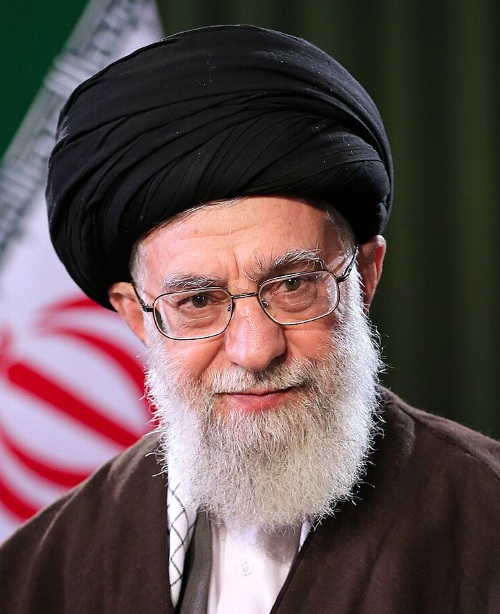
Certainly there were Iranians in agreement with this idea. But many were those ever more deeply embittered against America for such an act.
At this point Trump was forced to explain that in fact this was likely to become a longer-lasting conflict. So the bombing of Iran continued … with (most unsurprisingly) Iran striking back with major attacks on American diplomatic and military facilities around the Middle East.

So the bombing of Iran continued… with the Muslims striking back with major attacks on American diplomatic and military facilities around the Middle East
Trump thus responded blocking all Iranian ports … hoping to force Iran to come to his terms by shutting down its economy. Trump had the idea that all this would bring Iran to the negotiating table … and play out as a huge Trumpian success.
A ceasefire? The Iranians appeared to be curious, leading Trump to brag about the progress he was making with the Iranians – and then pleased to announce in early April that a ceasefire was now in place and supposedly all military action had ceased … even though tensions remained high.
But nothing had really changed.
Most unsurprisingly, in the meantime, Iran had moved to block the oil exports of its neighboring countries ranged around the Persian Gulf – through which around 20-30% of the world’s oil supply is sent … as well as the strategic flow of liquified natural gas (LNG). It did so by ordering its navy to attack oil freighters seeking to pass from the oil fields of those neighboring countries to the larger world through the Iran-controlled Straits of Hormuz in the Persian Gulf.

An Iranian gunboat and an oil tanker in the Persian Gulf

With all this, the Persian Gulf states were forced to shut down production as their reserves filled up … at the same time that the world once again experienced a horrible oil shortage … with prices at the pump climbing significantly.
And it involved a huge drawdown of America’s defensive missile system, as America attempted to shoot down drones used by Iran to attack those freighters and the ports of the Persian Gulf countries. Drones are dramatically less expensive ($20 to 50 thousand each) and easy to produce … than those American defensive missiles used to shoot down these drones. A Patriot missile costs around $4 million each and the more advanced missiles cost between $10 and 28 million each. And thus replacing those all-important defensive missiles is going to be slow and very expensive … while Iran’s attack drones cost Iran relatively little and are easy to develop.
Sadly, all this has caused America to have to draw down as much as 80% of its ABM inventory (a figure still climbing rapidly) … in order to conduct this quite unnecessary engagement with Iran. Quite obviously, this is most clearly not a balanced engagement, but one that runs greatly in Iran’s favor. And Iran is well aware of the fact.
Nonetheless, Trump would continue to strike Iran air bases in an ongoing attempt to “shut down Iranian aggression” … claiming that by doing so he was bringing Iran to the negotiating table … a pronouncement he was forced to offer repeatedly as things dragged on and on! But Iran was in no hurry to bow to American demands … whatever those happened to be (ending their supposed development of atomic weaponry … or just support of anti-Israeli Muslim militants … or whatever?). Trump was not looking good in the conduct of this war of his … and Netanyahu’s.
All of this also put huge pressure on the economies of America’s European allies (as well as other nations such as China, India, Japan, South Korea, etc.) … who had not been consulted in any of this and who were most unsupportive of this program of Trump’s – whatever it was supposed to be.
So where was all this economic pressure and counter-pressuring taking things? Basically America (and the world) was caught in a Trumpian conflict that seemed to have no very good ending. And none of this was ever put before Congress for its approval. This was strictly a Trumpian war … not an American war.
Israel and Lebanon go to war. Then in March of 2026, Israel launched a huge attack on Lebanon (airstrikes and artillery shelling) … the level of violence mounting quickly.

Ruins resulting from an Israeli attack on a village in south Lebanon on March 8, 2026
The Guardian

Israel bombing the Lebanese town of Ras al-Ain – May 12, 2026
Israel claimed that its intent was solely to target Hezbollah sites … from which Iran-backed Hezbollah had been attacking Israel with rockets and drones. Obviously, Hezbollah had learned nothing from the disaster that Hamas brought on Gaza.
Israel then proceeded to move inhabitants out of southern Lebanon … claiming the area now to be an Israeli “security zone.” Israel then proceeded to bulldoze vacated homes – the intention obviously being to make a return of Lebanese refugees most unlikely.
Then on April 8th, a cease-fire worked out in Pakistan between America and Iran supposedly included the war in going on in Lebanon. But Netanyahu was not moved by the new arrangement, and ignored it … with Israel’s own April 8th murderous attack on Lebanon, killing over 350 people in the first day of the operation alone (attacks again reaching even to the Lebanese capital, Beirut) … Israel again claiming that it was targeting only Hezbollah sites. But homes, shops and hospitals were hit hard … whether Hezbollah or not.
By the end of May, war statistics show that Israel conducted more than 3,300 airstrikes (in just the May 24 – May 30 period alone) in comparison to only 187 Arab airstrikes against Israel … with over 3,300 people killed in Lebanon (20% of them women and children) in comparison to 23 Israeli soldiers and a military contractor killed by Arab forces. And Israel has extended its “security zone” some 20 miles into southern Lebanon … forcing some 1.2 million Lebanese to leave their homes as refugees.
And Netanyahu claims that the Israeli offensive will continue … until Hezbollah is destroyed.
In other words, there seems to be no interest in Israel – despite the peace talks between America and Iran and the linkage of peace between those two powers on some kind of peace coming to Lebanon – in bringing the conflict to an end. Thus the world stands to suffer a continuing economic crisis (the crippling of the world’s oil industry) … because those economic interests do not seem to touch the heart of Netanyahu. He has other goals in mind.
Trump meets with China’s Xi
Trump, in accompaniment with Tesla’s Elon Musk and Nvidia’s Jensen Huang met with China’s premier Xi Jinping on the 13th of May 2026 (including some touring of China’s historic sites) … to try to improve US-Chinese relations. There seem to be some agreements to work together more closely (for instance, purchasing oil from America rather than Iran).

CNBC

Trump and Xi in front of China’s Temple of Heaven
Reuters
But some questions still remained … in particular, America’s protective role with respect to Taiwan.
SOME SURPRISING DOMESTIC DEVELOPMENTS
Muslims Seem to Have Their Own Ideas about America’s Future
New York City has given quite a demonstration of the growing influence of Islam in American life. Every March, since 2023 (2023, 2024, and 2025), marking the first day of Islam’s all-important month of Ramadan, masses of Muslims have gathered in Times Square to conduct Islam’s tarawih prayers.

Muslims performing tarawih evening prayers on Time Square – March 10, 2024
This is in addition to the daily calls to prayers issued five times a day by Muslim muezzin (priests) broadcast loudly over loudspeakers placed at the mosques. Muslim, or not, there is no way of avoiding such daily broadcasts.
Of course this is also happening in Europe … where the Muslim population is growing rapidly … at a time that the native French, German, Scandinavian, etc. population is declining.
Then too. there was the election of a Muslim politician, Uganda-born 34-year-old Democratic Socialist Zohran Mamdani, as New York City’s new mayor.
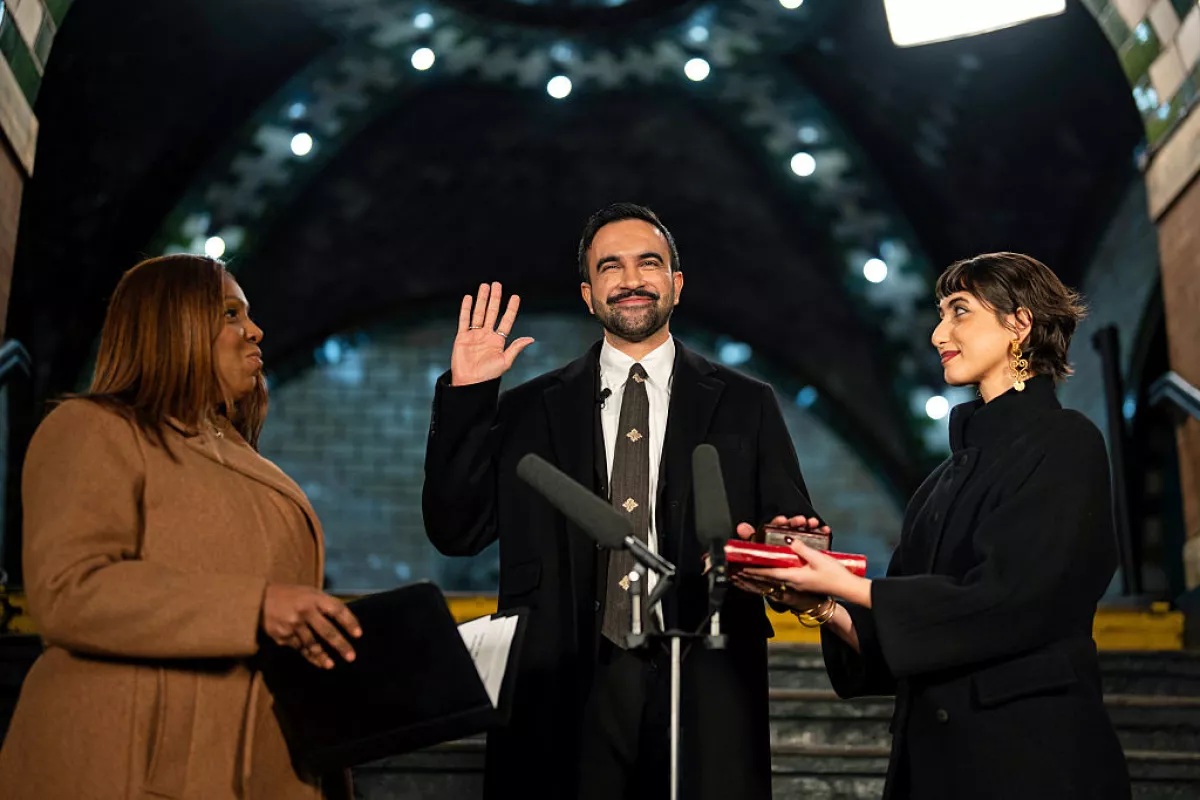
Mamdani taking office as New York City mayor – January 1st, 2026. Being sworn in by New York Attorney General Letitia James (left) … with his wife Rama Duwaji (right)
With around a million Muslims in the city, this is hardly a surprising outcome … even though initially Mamdani himself had very little public recognition to go by to achieve office. But he was backed strongly by New York Attorney General Letitia James, billionaire and strongly Socialist Senator Bernie Sanders, and Congresswoman Alexandria Ocasio-Cortez. And the fact that both his parents are Harvard grads (his mother a film director and his father a Columbia University professor) added considerably to his stature as a Democratic Party candidate.
But most unfortunately for New York City, Mamdani’s Socialist instincts are likely designed to worsen the city’s already flagging economy. Mamdani’s “tax the rich” program works only in societies where the wealthy have no place to escape to. But in America, Texas and Florida, for example, are two states with low tax rates … and are more than happy to receive escaping individuals … who generally bring lots of jobs with them.
For instance, Ocasio-Cortez was very proud to help union activists stop Amazon’s plans to build a second headquarters in New York … costing the city 25,000 jobs. This was nothing more than an ideological victory of some sort … but a huge economic disaster.
And Mamdani seems similarly interested in protecting New York City from such wealthy giants as Citadel … which had already (2022) moved one of its main offices from recently-Socialist Chicago to Miami. Citadel’s 2,500 New York City employees are major contributors to the New York City’s government finances … and also privately as one of the city’s largest charitable contributors.
Indeed, over the past few years, New York has lost companies managing over $1 trillion in assets … most of them moving to Florida or Texas (two states with a rapidly growing high-tech industry).
On the plus side, Mamdani is trying to balance the city’s budget … in the face of a $12 billion deficit he inherited in taking office. How he will be able to move in that direction remains highly problematic … given the financial strain that the city’s citizens are already under. Higher taxes or cutbacks in the city’s services are merely going to make matters worse. So … it remains to be seen how all this works out in the longer run.
Charlie Kirk and the Young Christian-Revival Generation
On Wednesday, September 10, 2025 – while speaking before a huge audience at the Utah Valley University in Orem, Utah – very popular (at least with America’s younger generation) Charlie Kirk was shot and killed by a very expert rifleman located atop a distant building.

Charlie Kirk at Utah Valley University … just prior to being shot and killed – September 10, 2025
The reaction of America was fairly uniform … even among American Liberals: the killing of a young man (he was only 31!) who was well-known for his strong promotion of Conservative American values – but only through polite discussion and debate – was itself another attack on America’s moral foundations themselves.
This needed to stop! But how? And who was to blame for this horrible piece of thuggery? Was this a lone act? But the event was expertly planned … with the rifleman even able to make a clean escape. Was this a part of something bigger – politically speaking? Prominent Liberals – such as Obama and Biden – were quick to condemn the act. So who – or what – was behind this well-planned event?
Charlie Kirk was an amazing young man. His entry into politics came early, even while still in high school, Kirk working to support a Illinois Senate candidate, writing an essay for Beritbart News, and getting even Fox News’s attention! He headed off to Harper College … but soon dropped out in order to devote himself to the promotion of Conservative politics among America’s youth. Thus in 2012 – when only 18 years old – he founded a youth-focused political organization, Turning Point USA … designed basically to contest MoveOn.org, the strongly pro-Democratic-Party internet organization. By 2016, at age 22, he was even called on to address the Republican National Convention on his views … views he claimed were those held widely by American youth.
Kirk was particularly opposed to what he saw as the indoctrination of college-aged American youth by the Liberalism that formed the foundation of American higher education. He insisted that America not lose its traditional social values – undercut over the past few generations by “Progressive” thinking … thinking that was purposely aimed at exactly those traditional social values – Progressives claiming that in doing this, they were “freeing up” American thought. But Kirk found such “freeing up” in fact to be quite “unfreeing” in the way it cut off serious debate – or even just discussion – discussion of these vital moral matters. Such “free-thinkers” had a habit of cutting off all discussion attempting to come from those not agreeing with them.
He was accused of spreading hatred … when in fact his style was to go around to campuses and invite those that stood opposed to his Conservative (and Christian) values to come forward and explain what it was that they were opposed to … and why they supported the values they did. And he was well-known to respond simply quite carefully – actually quite gently – in explaining why he held the values he did. This was not spreading hatred. It was an attempt to open back up the discussion about the country’s moral foundations.
What was particularly annoying to his opponents was the immense popularity he seemed to be acquiring among American youth … millions of them. His three-hour talk show – begun in 2020 – was widely popular, and his podcast was downloaded each day at a count reaching from 500 to 750 thousand daily. Unsurprisingly, he thus had something of a huge impact on that younger generation … getting many of them out in the country’s elections to help bring Conservatives (Republicans) to power.
He identified closely with Trump’s “Make America Great Again” campaign … which pleased Trump mightily … and infuriated deeply the anti-Trump world.
So … someone finally decided to end the debate … and simply take Kirk out of the political discussion engaging America.
A Gen-Z Christian revival moves ahead
But … according to a well-researched documentary film viewed during a huge Christian revival held only a month earlier at the Kennedy Center in Washington, D.C. (August 2025), the Gen Z spiritual awakening is so strong that this event is not likely to cripple a movement going on within this rising generation … even though at the moment it involves only groups here and there across the country rather than a movement spread widely across all Gen-Z youth.

We certainly hope not … because America needs badly to get back on its original spiritual track

Indeed, in February of 2026 some 5,000 students gathered at the University of Central Florida for worship … another example of this development
We will see how this movement finds itself widening … and deepening. “Deepening” (meaning joining a worshipping community on a regular basis) is critical … because otherwise such “revival” can turn out to be simply another social trend and not a serious remake of America’s cultural drift.
So it is that we pray that this is indeed the beginning of a serious spiritual revival across America … and even, if possible, across our broader civilization itself.