CONTENTS
 New England’s Covenant with God
 The Ever-Present Problem of a “Spiritual Wandering”
 New England’s Founding Father John Winthrop’s Insights on the Matter
 Today’s Culture of Greed
 The Need for Another Spiritual Awakening
NEW ENGLAND’S COVENANT WITH GOD
A covenant is something of a contract, a pledge of mutual service between two parties … something that the founders of New England in the early 1600s found to be necessary in building their new society in America.
The covenant went in two directions: first of all, the covenant they chose to live under took the form of an agreement among the settlers themselves (like the Mayflower Compact) to be of mutual service to each other. But more importantly, this included an agreement with God to be of service to Him in building this new English society in America … expecting in return receiving vital protection and support from God in this covenant relationship. And in this belief, in this strong Christian faith, they would not be disappointed. God truly honored that covenant … in the same way that they did.
Specifically, the New England settlement was designed to serve a Christian purpose higher than simply making one as rich as possible and thus of higher social status (pretty much the motivation of those who had come to the Americas before them). New England was designed to set before the world a truly Christian example of what a society, by God’s own design, ought to look and behave like. It was to be a society of equals (reflective of the fact that we all stand as equals before God), equals finding their personal greatness simply in loving service to each other. The only “ruler” of their settlement was to be God himself, revealed in Jesus Christ. Yes, they would have leaders or governing officials … but only those chosen by the settlers themselves. Governing their New England would be no feudal rulers, socially privileged individuals born to rule over them as if the rest of them were simply peasants or serfs.
They well-understood human reason and its natural tendency to abandon human faith … and seek to dismiss the role of an unseen God and replace it with human programs – even religious programs. They had seen enough of individuals that pretended to serve God, but in fact who stood above the others with their supposedly unique religious powers. This was just politics in a religious form. They would have none of that.
Consequently, this form of society was most unusual for the times, guided not by the feudal social traditions that had long governed societies across Europe, but instead by social principles clearly outlined in Holy Scripture. Indeed, it was this very sense of New England’s unique design that motivated some 20,000 English, in those very foundational 1630-1642 years, to take up the challenge to move to this “New England.” Those that came understood quite clearly that in following God’s lead in this risky enterprise, they were helping found a new City on a Hill, a Light to the Nations.

And as such, their venture clearly prospered. In fact, their covenant society left such a strong Christian legacy that over the next centuries it indeed brought America to some kind of global greatness.
NEW ENGLAND’S FOUNDING FATHER JOHN WINTHROP’S INSIGHTS ON THE MATTER
John Winthrop’s sermon, A Modell of Christian Charity, addressed in 1630 to the first 1,000 of the 20,000 Puritans who would move to New England in that foundational 1630-1642 period, lays the matter clearly before these adventurers.

Thus stands the cause between God and us. We are entered into covenant with Him for this work. We have taken out a commission.
But like Jeremiah, Winthrop warned:
. . . if we shall neglect the observation of these articles, [and] embrace this present world and prosecute our carnal intentions, seeking great things for ourselves and our posterity, the Lord will surely break out in wrath against us, and be revenged of such a people, and make us know the price of the breach of such a covenant.
Additionally, the Covenant included a second aspect to it, not just the one linking these Christian souls to Almighty God. The Covenant also required a similar bond uniting them in affection and devotion to each other. Winthrop explains:
Now the only way to avoid this shipwreck [of God’s wrath], and to provide for our posterity, is to follow the counsel of Micah, to do justly, to love mercy, to walk humbly with our God. For this end, we must be knit together, in this work, as one man. We must entertain each other in brotherly affection. We must be willing to abridge ourselves of our superfluities, for the supply of others’ necessities. We must delight in each other; make others’ conditions our own; rejoice together, mourn together, labor and suffer together, always having before our eyes our commission and community in the work, as members of the same body.
Then Winthrop went on to remind his fellow Puritans that this venture was something of much greater importance than merely their own success, for God had entered into this Covenant with these Puritan settlers as a demonstration model of how all people should live. Whether this venture succeeded – or failed – would, by God’s own intent, come to be a matter of great importance to all the world, a world which would take careful note of exactly how this covenant life in America worked out for everyone. Winthrop stated:
We shall find that the God of Israel is among us, when ten of us shall be able to resist a thousand of our enemies; when He shall make us a praise and glory that men shall say of succeeding plantations, may the Lord make it like that of New England. For we must consider that we shall be as a city upon a hill. The eyes of all people are upon us. So that if we shall deal falsely with our God in this work we have undertaken, and so cause Him to withdraw His present help from us, we shall be made a story and a by-word through the world.
He concludes, citing Moses’ admonition to Israel:
Beloved, there is now set before us life and death, good and evil, in that we are commanded this day to love the Lord our God, and to love one another, to walk in his ways and to keep his Commandments and his ordinance and his laws, and the articles of our Covenant with Him, that we may live and be multiplied, and that the Lord our God may bless us in the land whither we go to possess it.
But if our hearts shall turn away, so that we will not obey, but shall be seduced, and worship other Gods, our pleasure and profits, and serve them; it is propounded unto us this day, we shall surely perish out of the good land whither we pass over this vast sea to possess it.
Therefore let us choose life, that we and our seed may live, by obeying His voice and cleaving to Him, for He is our life and our prosperity.
So … where do things stand with us Americans today? Sadly, something shifted in the 1960s when a new generation found (for reasons not entirely their own) that they believed that the motto in life they should follow should sound something like “be free, acknowledge no higher authority than your own thoughts, your own instincts … whatever they might be.” Consequently a culture of “self” rather than “others” was born … something that with no higher moral boundaries was guaranteed to lead simply to a world of unlimited greed.
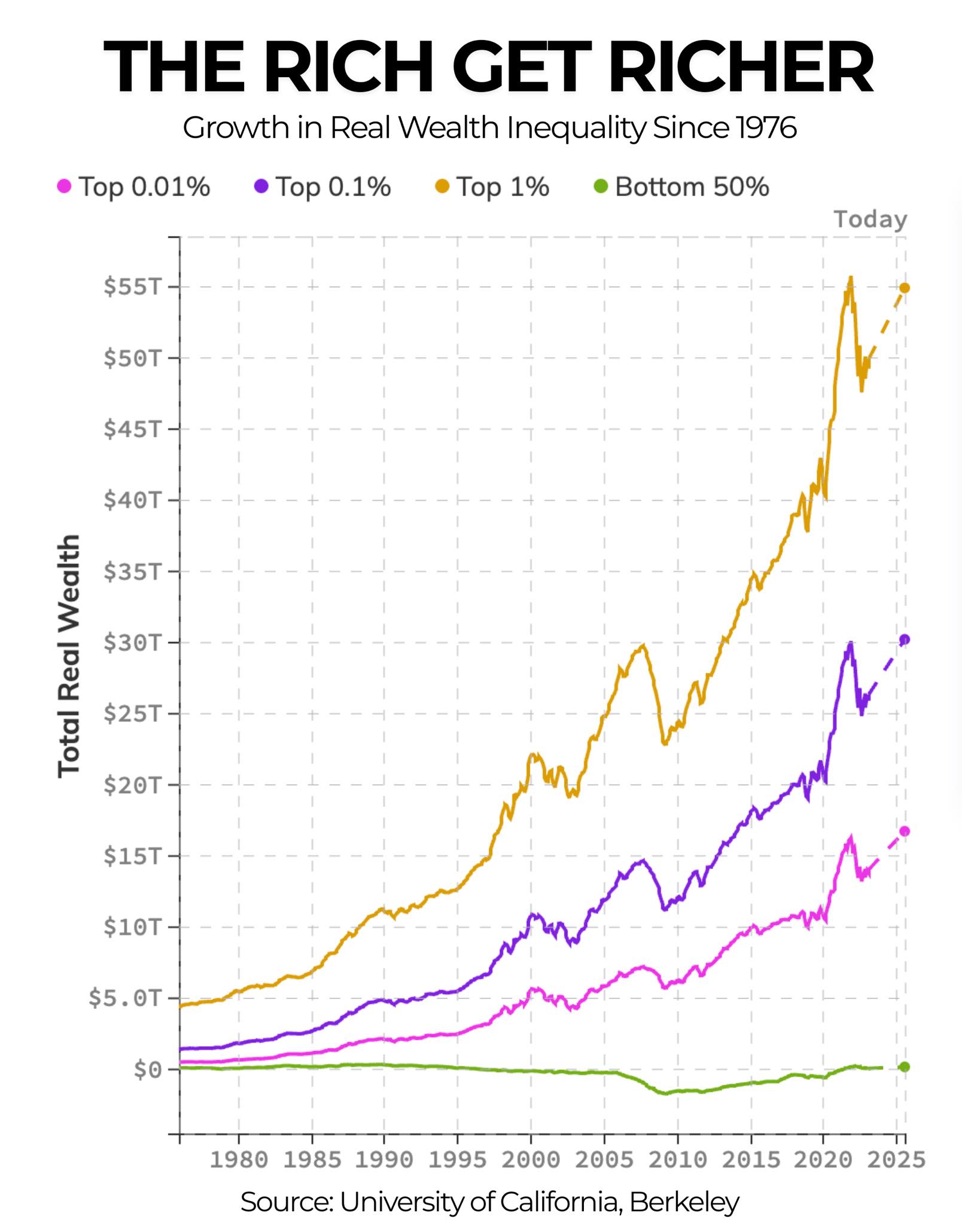
And that greed is now killing America … the enormous (and growing) spread between the richest 1% of American society owning about 35% of the nation’s wealth and the poorest 40% or 50% of American society owning as little as 2% to 3% of the nation’s total wealth.
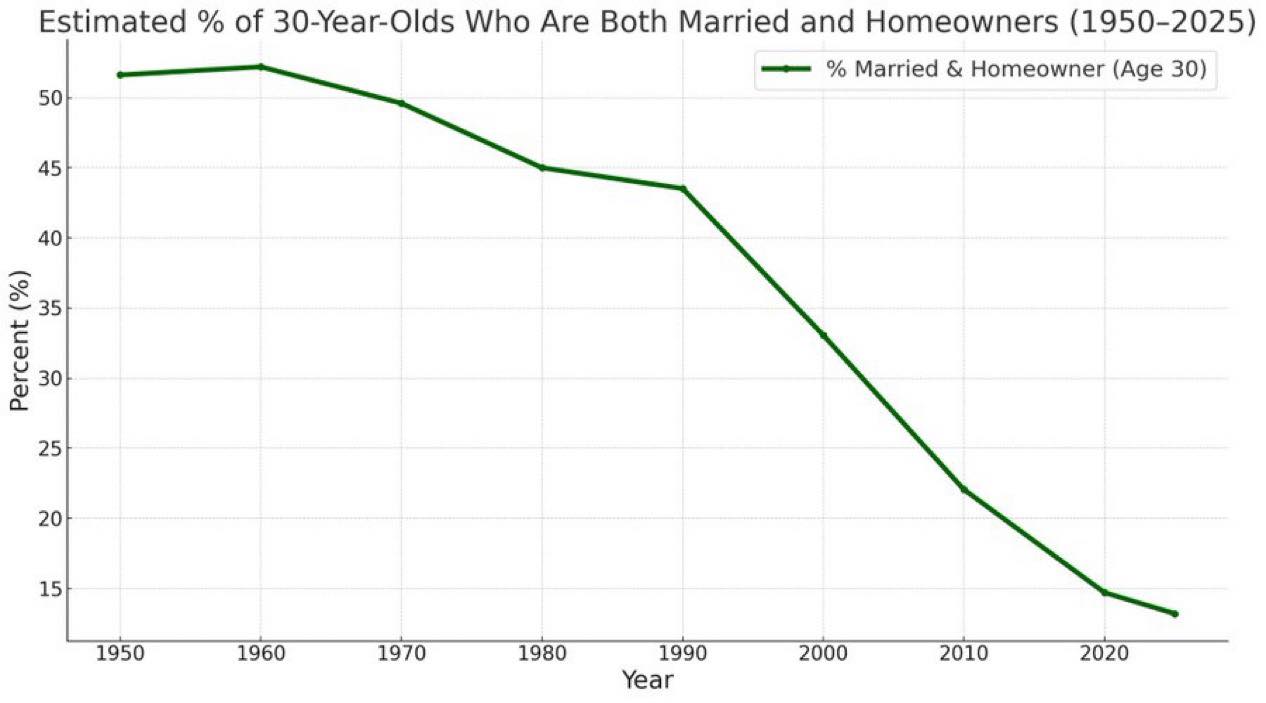
Puritan or New England’s “Middle American” legacy is fast dying among America youth, who can no longer get married and enjoy their own home, their own secure place in the economy. Housing prices have skyrocketed beyond the ability of young families to buy a home. Anyway, they are saddled with such huge student loans that they will be debt free enough to take on a home mortgage not until they are well into their 40s. This is truly tragic.
Meanwhile the US government is running up (with no hesitation whatsoever) a debt that future generations will have to cover … without present generations showing much concern as to how this will cripple further the economic foundations of those future generations (actually a situation probably not far off at this point).
THE NEED FOR ANOTHER SPIRITUAL AWAKENING
We have been here before. Like Israel of old, this is – and probably always will be – a problem facing a people called to constitute a very special City on a Hill, a Light to the Nations.
A Great Awakening pulled us out of such spiritual apathy in the mid-1700s … in time to prepare us to combat the effort of English King George III to push Americans under his feudal rule. And most amazingly, we succeeded in the effort – when undertaking a revolt against a feudal lord historically led to quite the opposite, including the mass execution of such rebels. Thus America preserved its independence. And the political leaders of those days (not to mention the American populace in general) were well aware that this had happened only by the grace of God, a God very willing (under covenant) to come to our aid in this enterprise.
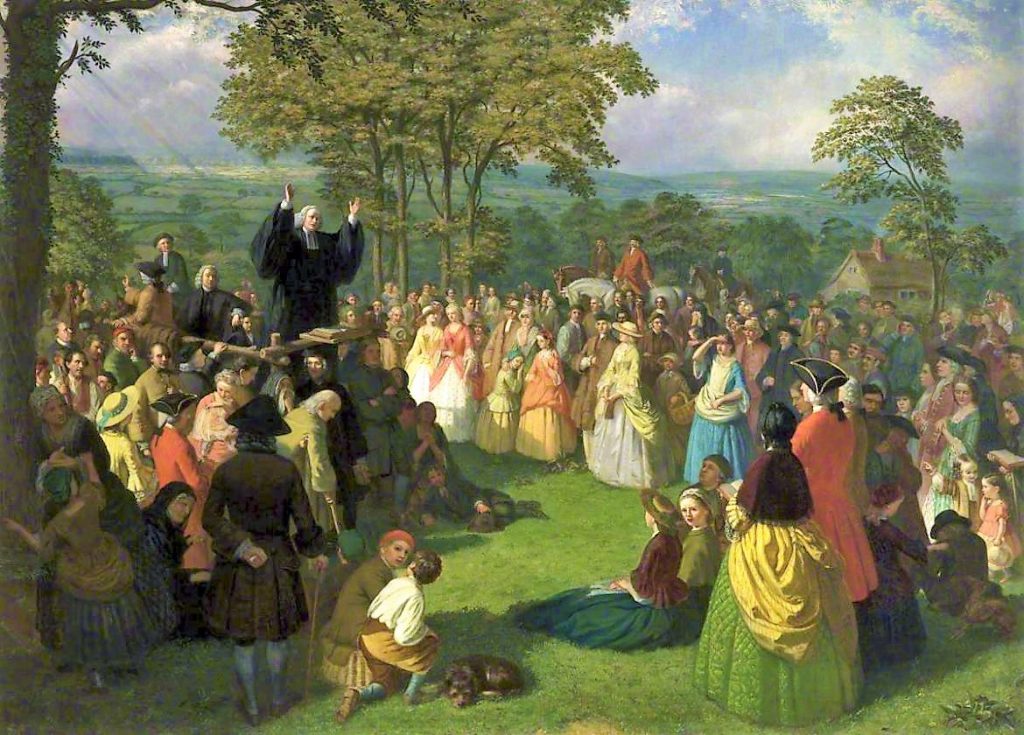
George Whitefield preaching in the countryside
And then the matter of slavery, vital to the social foundations of Virginia and the South, but totally repulsive to the Puritan instincts of the Northern states, plunged America into a deep spiritual quicksand. But Americans were readied for this mounting spiritual struggle by way of a 2nd Great Awakening, another grand spiritual revival designed to help Americans find the moral resolve to take on this horrible challenge.
And now here we are today … with a spiritually hungry Gen-Z deeply desirous of finding some meaning, some purpose to their lives. They have grown up in a very comfortable world … only to find that this comfort is not by any means a guaranteed future. They are confused … because the social reasoning of the older American generations (from the Boomers down to the Millennials) does not answer these deeper questions about life and its purpose.
The answers are there of course, as they always have been. But who, exactly is helping them discover those answers … answers in the form of the legacy, the wisdom, the faith of those who historically went before them. The answers themselves have not changed … only the means of delivering those answers.
We watched a young (31 years old) Charlie Kirk engaged in doing just that … only to see him get shot in the process. So … where do we go from here?

This website has long been attempting the same venture. But it lacks the “presence” needed to get the conversation going in full. But I am trying my best to reach out with this all-important covenant conversation. So please, please join me in this enterprise. And may God bless you accordingly!